A Super Fry Pan
Special!
|
|
Cooks'Wares
Super Special! Berndes 8" Non-Stick Cast Aluminum Fry
Pan
- Sturdy Cast Aluminum - guaranteed never to warp
- Easy to Use - Light Weight with Ergonomic Stay Cool Handles
- 3 Layers of Restaurant Tested Non-Stick -
will not Chip,
Crack, Bubble, Blister, or Peel
- Ideal for Ceramic, Glass, Electric Cooktops
Reg.
$80.00 SAVE
$50.03 SUPER
SPECIAL PRICE $29.97 Limited to Stock on
Hand |
Summer 2009
Cooking Classes
|
JULY
2009 COOKING CLASSES
Register Online, In-Person, or by Telephone Harper's Point classes - Call
513-489-6400 Settler's Walk classes - Call
937-748-4540 www.cookswaresonline.com
To view all of the details
of our July and August classes, visit our website now
and plan some fun! Limited seating -- Plan
early, then Register!
Thurs, July 9-
Blueberry Bounty
with Matthew Hayden Settlers' Walk from 6:30 - 9:00pm. $40
Tues, July 14- Corn - Summer's Gold with Dan Berger Harper's Point from
6:30 - 9:00pm. $40
Wed,
July 15- Summer Fare with Italian Flair with Marilyn Harris Harper's Point from
6:30 - 9:00pm. $60
Thurs,
July 16- Easy, Elegant, Entertaining with Thomas Baker Harper's Point from
6:30 - 9:00pm. $50
Mon, July
20- Dinner from the Grill with David Sauer Settlers' Walk
from 6:30 - 9:00pm. $40
Tues,
July 21- Simply Shrimp with
Sean Schmidt Harper's Point from 6:30 - 9:00pm. $50
Thurs, July 23- World Championship Winning BBQ with George Cook and John Augustin
Harper's
Point from 6:30 - 9:00pm. $65
Thurs, July 23- Herbal Flair with
Anna Pound Settlers' Walk from 6:30 - 9:00pm. $40
Tues,
July 28 - July 30- Oodles of Noodles,
Kids Camp with Kate Cole Harper's Point from 11:00am - 1:00pm.
$95/series Limited to 18 students - Ages
8-11 - Hands On!
Tues, July 28- Totally Tomato
with Jim Brooks Settlers' Walk from 6:30 - 9:00pm. $35
Thurs, July 30 - Simply Shrimp with
Sean Schmidt Settlers' Walk
from 6:30 - 9:00pm $50
Registration is open
for August classes, too. Information is on-line and in our
stores.
Harper's Point
classes - Call 513-489-6400
Your Cooks'Wares Bonus:
Cooks'Wares offers a 10% Discount
on your merchandise purchases on the
day you attend class! (excluding kitchen
electrics) |
The World of
Berries
|
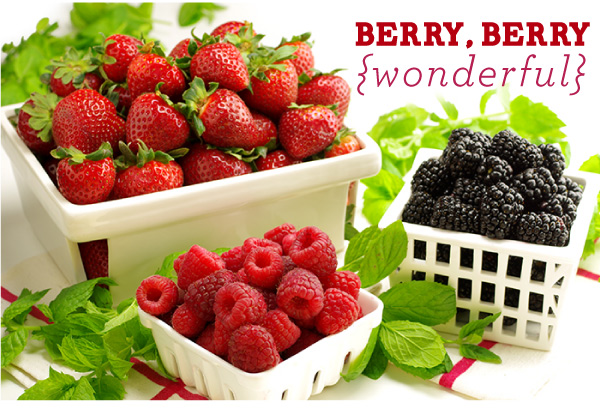
Berries
comprise a big world in the garden and kitchen. We're quite familiar
with the year-round, commoditized version of strawberries,
raspberries, and blueberries, but it's the local berries that are
the treat of the season. Explore your local farmer's market or back
road farm stands to access the "real" thing and to expand your
exposure to the wide variety of berries available.
Strawberries
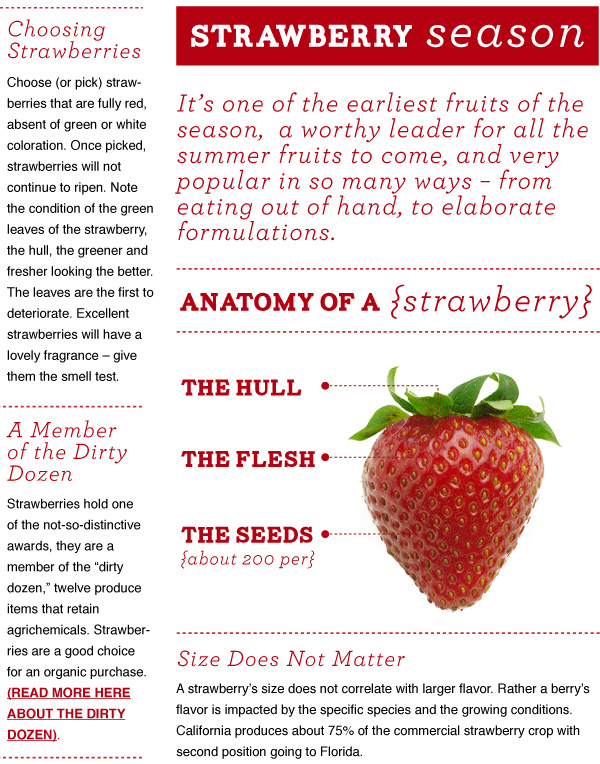
- Red, heart-shaped, very well-known, this berry reigns supreme in
the kitchen at this time of year. Strawberries are unique in the
plant world by virtue of wearing their seeds on the outside - all
244 of them on average. Strawberries are a popular "u-pick" fruit;
find a local farm and you'll suddenly remember what a real
strawberry is!
Red
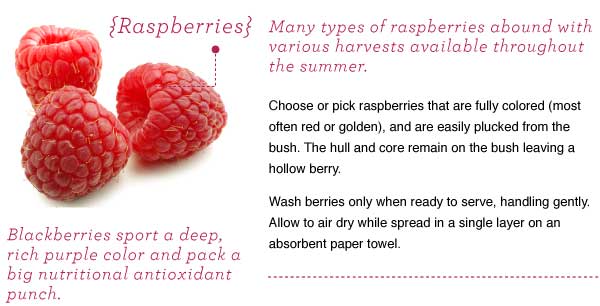
Raspberries - Also a transient beauty, red raspberries
are an aggregate fruit -- many little fruits grouped together into
what is also known as a "drupe." Different kinds of raspberry bushes
have different harvest times; look for them from early summer to
early fall. Raspberries yield a piquant flavor burst and grace many
desserts, salad dressings, and, of course, the popular framboise
liqueurs.
Golden
Raspberries - Similar to their red siblings, golden
varieties are often available locally during the micro seasons
between the red raspberry harvests. Golden raspberries are still
just novel enough to create a double-take when served.
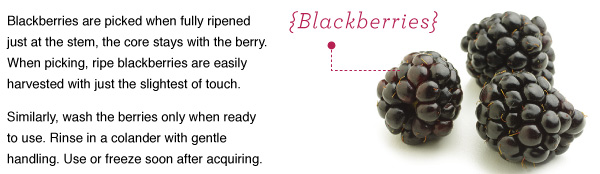
Blackberries
- Before it was a mobile communication device, "blackberry" referred
to another "drupe" fruit, many tiny fruits joined together. Distinct
in flavor, blackberries are a rich antioxidant food. Dewberries are
a close variation of the blackberry. (How did the PDA, BlackBerry®,
get its name? It's said that the branding company, looking for a
unique name for the product, thought that the collection of tiny
keys was reminiscent of tiny seeds. The device, originally black in
color, logically(?) became the BlackBerry®).
 Blueberries - The fruit of this
shrubby plant is not really a berry, but we'll ignore that for the
moment. These iconic fruits vary from tiny, wild varieties to the
large, cultivated versions. One of the few true blue foods,
blueberries are a favorite in muffins, pancakes, and all ki nds
of desserts.
Gooseberries
- These berries, also from a shrub, can vary in color from
green, red or purple. Similar in size to a small grape, their flavor
is also reminiscent of a sour grape. Use gooseberries in pies, jams,
or eat the riper ones out of hand.
Currants
- Tiny and potent, currants come in red, white or black.
Collectively they pack a tart punch like many shrub berries. Their
size and growth habit make removing stem parts a bit of a challenge.
Interestingly, most dried currants are really raisins from the
petite Zante grape.
Marionberries
- This popular berry is a complicated hybrid of other drupe berries.
Most akin to a blackberry, it tends to be larger and sweeter.
Produced primarily in Oregon, many frozen and canned berries are
actually marionberries.
Loganberries
- A loganberry is a cross between a raspberry and a blackberry. They
are very juicy and sport a purplish-red color. Commercial
availability is limited, but can be a great addition to the home
berry patch. (Watch out for their extra thorny canes!)
Lingonberries
- Often termed "mountain cranberries," these petite, red fruits are
borne by low-lying tundra shrubs, and are wildly popular in
Scandinavia. Tart and bitter on their own, they are commonly
fashioned into a sauce or jam.
Boysenberries - Another cultivar,
boysenberries are cross between a blackberry, loganberry and
raspberry. They're known for their distinctive, tart flavor and are
used like blackberries.
Cloudberries
- Similar to a raspberry, cloudberries are an aggregate fruit with
only 5 to 25 seeds grouped together. When ripe, they are amber in
color and have a characteristic tartness. Another
low-growing shrub, the plant is suited for northern climes and,
again, very popular in Scandinavia.
Huckleberries - Most like a
blueberry in form, huckleberries can range from red to purple and
are found in late summer. They thrive in cooler, elevated climates
which makes them less accessible for commercialization and all the
more special.
|
Berries at
their Best
|
Berries at
their peak are fragile in nature and require some diligent
management. Some close attention to their handling will keep them at
their berry best!
Seek out
Local Sources -- As previously noted, berries harvested
locally have the best chance for freshness and taste. Many
supermarket berries have been bred for prolonged, cross-country
travel. This breeding has often come at the cost for taste. Find
"u-pick" sources for berries and plan a berry good day for yourself
and a few friends. Plan to use your harvest as soon as
possible.
Choose Good Berries - Great berries
have a firm appearance, free of wrinkles or mushiness. Fully
developed, rich reds, blues and purples will indicate ripeness.
Under ripe berries will be too tart and tough; sort out and discard
immature berries.
Mold
Susceptibility - Berries that sit in a container are
susceptible to mold development. Regrettably, one moldy berry will
affect the taste of the entire box. Sometimes mold is not visible in
berry containers; instead, smell the berries to check for any hint
of mold.
Store
Carefully - Being fragile, plan on storing unwashed berries
for the least amount of time possible. If possible, store
refrigerated in a single layer in a covered container. Decreasing
the weight of the berries on each other will keep them from bruising
and becoming mushy. Store away from apples and bananas whose
ethylene gas will cause the berries to degrade more
quickly.
Wash Gently -
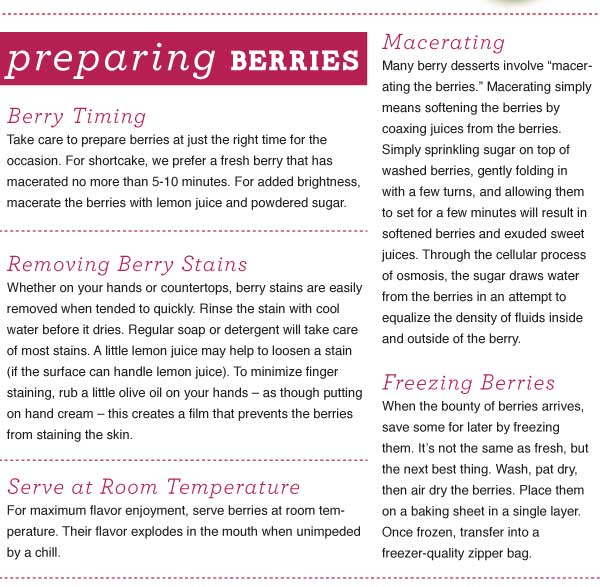
Wash berries just before using. Using a colander, gently spray water
over the berries a few at a time. Roll the berries around to access
all sides; refrain from tossing the berries as this may cause
bruising. Allow the berries to drain, then spread in a single layer
on paper towels to dry. With their internal cavity, raspberries
should be individually inverted on the paper towels to drain
effectively. Let the berries air dry for several minutes before
using. Do not allow berries to stand in water, or even in contact
with droplets of water.
Serve
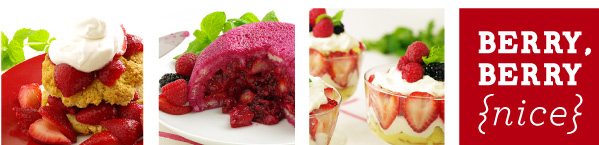
Fresh - Serve berries fresh in salads, as a topping, and
certainly as the centerpiece of any number of desserts. Berry bowls
are perfect for the season. These two part dishes have holes in the
bottom of the bowl that drain any excess water or juice away from
the berries to the saucer below.
Freeze Ahead - Dealing with a
bounty of berries all at once is challenging. Freezing the berries
is a perfect solution that brings rewards well past the harvest
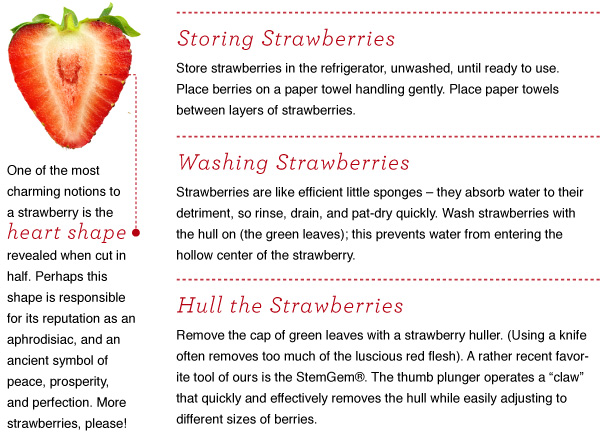
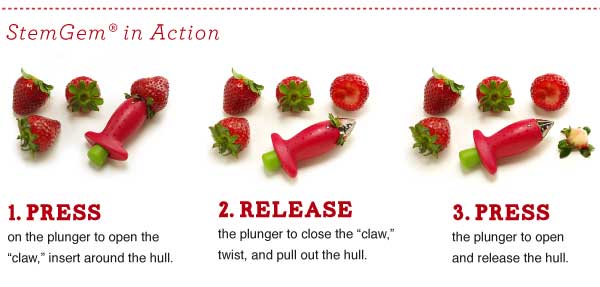
season. Wash the berries in the method noted above. Hull or stem the
berries. Place the berries in a single layer on a baking sheet and
freeze until solid. Once completely frozen, bag the berries in a
freezer-grade zipper bag.
|
Summer Fruit
Pies
|
Second only to
eating berries out of hand, enjoying them in a pie is sublime.
Summer fruit pies make great use of the overwhelming quantities that
suddenly become available in our gardens or fresh markets. There are
a few tricks to making great summer fresh fruit pies - we'll share
some here:
Start with a Great
Crust - We meet people everyday that are intimidated by
making their own pie crust. It's really quite easy and once mastered
will set you apart from those unwilling to tackle the topic. Here
are some of our best tips for making a great pie crust:
- Chill the butter or shortening well
- Use ice cold water
Don't
over mix the dough
- Make dough in a food processor, with an electric mixer, or by
hand with a pastry blender; avoid using your hands as their heat
will adversely affect the outcome
- Chill the dough slightly once mixed
- Use wax paper to roll out the dough
- Chill the crust in the pie plate for a few minutes prior to
adding the filling
- Brush the edge of the bottom crust with water or milk to make
a good seal with the top crust
- Glaze the top of the crust with a brushing of cream and a
generous sprinkling of sugar; the result will be a gorgeous,
golden crust.
Finesse the
Filling - Summer fruit pies are known for their juiciness!
It's the best part of a berry pie and the most challenging aspect.
Most recipes call for using cornstarch or quick-cooking tapioca to
thicken the pie filling. When sugar is added to fruit, it draws out
the juices. Also, when fruit is heated the juices appear. The

cornstarch or tapioca will thicken the exuded juices and provide a
more cohesive pie filling when served. Match the quantity of fruit
and thickener according to the recipe. If more fruit is used,
increase the amount of thickener.
Bake Carefully - Keep an eye on
your pie as it bakes. Juicy fruits will produce a bubbly pie in the
oven. It can be common for the juices to bubble over and out of the

pie. Anticipate this potentially messy situation with a catch pan
underneath the pie. We like to use the popular Oven Ring product
that catches the juices before they hit the oven rack. The spilled
juices with their high sugar content will burn easily.
Serving Pie - Allow your berry pie
to cool at least to room temperature before serving. This time and
temperature adjustment will allow the filling to set up. Cut the pie
and lift with a wedge-shaped spatula. There's really no substitute
for a pie server. The pie slices need the customized wedge support
to lift and move the pastry without disaster. If the berry pie is
still quite juicy after baking, don't worry about it! Enjoy it
thoroughly, then note on the recipe the need for more thickener the
next time around.
|
Cooks'Wares
Berry & Pie Tips
|
Tip #1: With a bunch of
berries in hand, a berry smoothie is not too far away. Use one cup
of vanilla yogurt with an equal amount of berries. Blend until
smooth. Alternatively, for a frozen smoothie, add equal parts ice
cubes and berries; add sugar and lemon to taste.
 Tip #2: Berries, difficult to
wash, are one of top ten fruits recommended for organic purchase
based on tests measuring the presence of residual pesticides. Other
fruits and vegetables to be purchased organically include:
nectarines, celery, pears, peaches, apples, cherries, imported
grapes, lettuce, spinach, potatoes, and bell peppers.
Tip #3: Strawberries lose
their bright, red color when cooked and can turn a grayish purple.
However, much of the redness is retained with the addition of some
type of acidic ingredient such as lemon juice or another citrus
juice. The acidic character of rhubarb makes the classic
strawberry-rhubarb a natural.
Tip
#4: Declare that it's summer by dropping a berry into a
glass of white wine or champagne to treat the eye and infuse a hint
of berry in your drink.
Tip
#5: Berry pies are perfect for freezing. Since berries
do not oxidize and turn brown, they retain their character well.
Freeze berry pies in one of two ways: (1) Mix and freeze the filling
in a zippered freezer bag set in a pie plate so that it freezes in a
pie shape, or (2) Assemble the pie crust, single or double, and fill
with the berries; wrap well and freeze. Add 15-20 minutes to the
baking time for a frozen pie.
Tip #6: Use a serrated knife
to cut the pie. The serrated edge will "saw" through a well-made
flaky crust without crushing it to crumbs.
Tip# 7: Make extra pie crust dough
each time you mix a batch and store the extra crust as a flat disc
in the freezer. You'll have half the work of a fresh fruit pie done
with this do-ahead strategy.
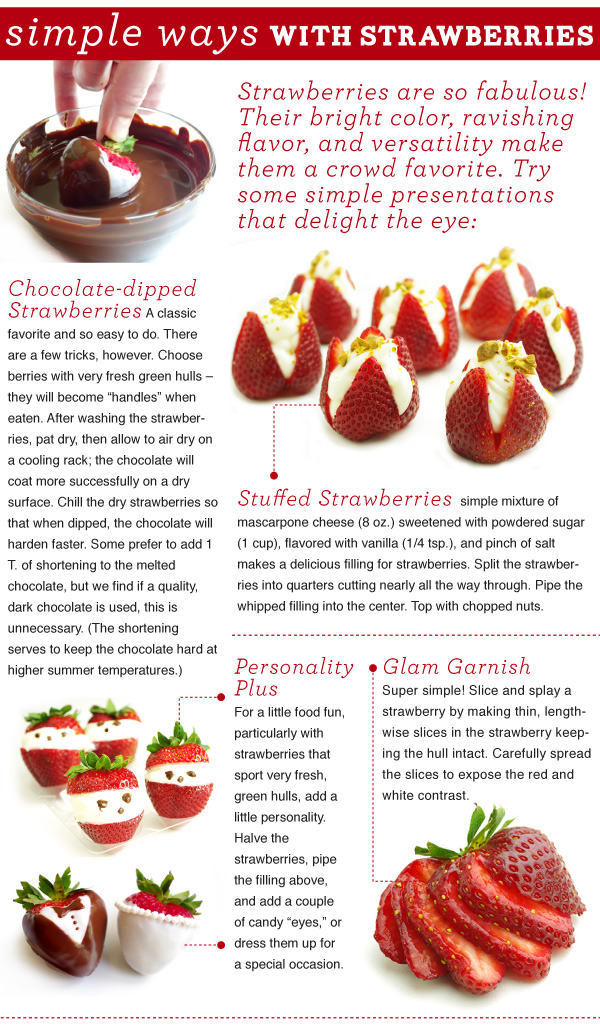
Tip #8: Chocolate-covered
strawberries are always a welcomed treat. Using washed, dried
strawberries, dip in melted chocolate and place on a baking sheet
lined with wax paper. If you use a fine quality chocolate with a
high cacoa content, and heat it ever so gently, you will not need
any other ingredients for a perfect
couverture.
|
Q &
A's
|
Q:
What is the difference between a "crisp," a "cobbler," and a
"bumble?" A:
A
fruit crisp has a crumble topping made of flour, butter, and salt
with oatmeal, cinnamon, or nuts added occasionally. The ratio is
such that the crumble holds together slightly and browns into a
lovely top crust. A cobbler varies by region, but usually involves a
batter poured over fruit that when baked forms a cake-like filling
between the fruit pieces. A bumble is a jumble of whatever berries
are available at the moment, and may be turned into a bumble crisp,
bumble cobbler, or a bumble berry pie!
Q: What does the cooking term
"macerate" mean? A: Macerating
berries or other fruit is the process of drawing out the fruits'
liquid and allowing them to become soft in the process. By adding
sugar to berries, the osmolarity outside the berry differs from
inside the berry. Since nature seeks balance, liquid is released
from the berry in an attempt to dilute the sugar. This process is
known as maceration and has the effect of wilting the berry.
Q:
What are the highly touted health benefits of
berries? A:
Berries are high in many vitamins including Vitamins C
and K, but also possess extraordinary amounts of polyphenol
antioxidants. In lay terms, antioxidants soak up radical versions of
molecules that would otherwise create havoc in our bodies. Foods'
antioxidant properties are measured for their ORAC - oxygen radical
absorption capacity - and berries are at the top of the ORAC
chart!
Q: What is a lattice pie
crust and how is it formed? A: Summer fruit pies
must be well-vented due to the steam build-up from the juicy
filling. A lattice pie crust with "woven" strips placed on top of
the pie will help to thicken the filling through evaporation while
baking. Cut strips of rolled pie crust about 3/4-inch in width. Lay
5 or 6 strips across the pie in one direction. Fold back the strips
exposing one-half the pie. In the center, begin to lay another strip
perpendicularly or at a diagonal. Gradually weave the strip under
and over the existing strips by partially unfolding the first layer.
Continue adding strips to the exp osed
half of the pie in a similar fashion. Complete the other half of the
pie by folding back the first layer of strips and adding strips as
with the first half. Brush the lattice work with cream and sprinkle
with sugar prior to baking.
Q:
What's the best way to remove berry stains? A: The deep, rich
colors of berries can produce stains on clothing and tablecloths.
Home remedies include the following tips: (1) Rub the spot with a
slice of lemon and rinse, 2) Scrub the stain with an
"extra-whitening" toothpaste, then rinse, (3) Soak in distilled,
white vinegar, then rinse and wash, and (4) Lighten any residual
stain by placing the item in
sunlight. |
Cookbook
Review
|
Pie by
Ken Haedrich. Copyright 2004. Published by Harvard Common Press,
Boston, MA.
We
love pie! Coming upon a cookbook that is nothing but pie is sublime.
Mr. Haedrich also loves pie! That's clear in his writing and
first-hand narrative accompanying each of the more than 300 recipes.
For many of us, certain pies have a genealogy accompanying them that
makes for more than just a good dessert; they become the embodiment
of family culinary traditions. Here's your chance to refresh some of
those memories or to start some new ones. The cookbook is organized
seasonally by types of pie fillings - Berry Good Pies, Classic Fall
Pies, Nut Pies, Custard Pies, Cream Pies, Chiffon Pies, Ice Cream
Freezer Pies, and an entire chapter just for Apple Pies. The
repertoire of pies is preceded by a detailed chapter on pie crusts -
how to make a good crust, how to choose the right crust for
different pies, and 21 different crust recipes. Each recipe contains
a notes section entitled, "Recipe for Success," that contains
invaluable tips and hints for the specific recipe. It's like having
a well-known pie mentor at your side at all times. The collection of
assembled pies is a worthy homage to this always appropriate
dessert. |
Summer Berry
Pies
|
Recipes excerpted from Pie by
Ken Haedrich. Copyright 2004. Published by Harvard Common Press,
Boston, MA. Used with permission from the publisher. All rights
reserved.
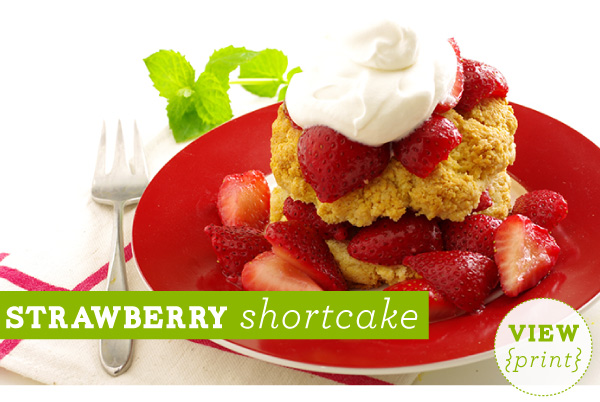
All Strawberry
Pie
This
pie makes excellent use of the profusion of summer
strawberries! The pie dough mixed easily, and rolled
cooperatively into a perfect crust. The splash of lemon and spoonful
of crème de menthe brightened the flavors of the filling without a
hint of confusion. It's a perfect way to celebrate strawberries - we
think you'll agree!
Click here to
view the illustrated
recipe.
Click here for a printable version of
the recipe.
Patsy's Mixed
Berry Freeform Pie
Many
berries become available all at once. No worries - they love to be
mixed together in just about any combination. The deep reds, blues
and purples are a visual delight and an antioxidant-rich jackpot!
This recipe uses a "healthy" crust that sports lower calories and
less fat compared to most other crust formulations. The freeform
nature makes for a rustic, yet stunning result.
Click here to
view the illustrated
recipe.
Click here for a printable version of
the recipe.
Vid and
Annie's Fresh Raspberry Crumb Pie
Raspberries
are showcased at their best in this pie. A top crumb crust combines
the best of a fruit crisp with the soul of a pie yielding some type
of summer nirvana! Wonderfully delightful on its own, we heard it
calling for a scoop of vanilla and so obliged. It's a thrilling
experience -- enough to make one install a personal patch of
raspberry bushes to insure this pie as an annual event.
Click here to view the illustrated
recipe.
Click here for a printable version of
the
recipe.
| |